
 Автор Богдан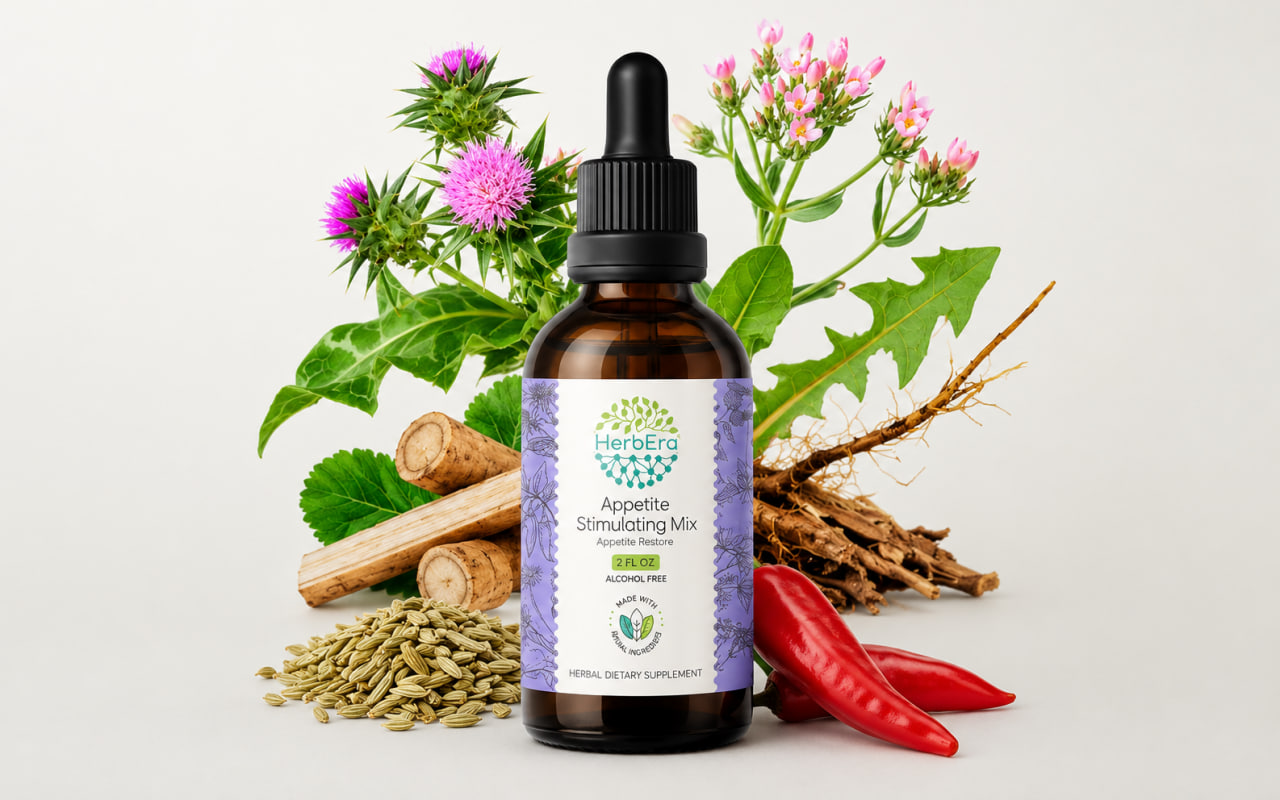
Appetite Stimulating Mix Tincture vs Digestive Bitters is a label question first. These names can overlap, but they do not always mean the same product. One bottle may be a targeted appetite-style herbal blend. Another may be a classic digestive bitters formula. A third may be a bitter tonic, a Swedish bitters-style product, or a single-herb tincture with a bitter taste.
The confusion makes sense. Many products in this category use bitter herbs, pre-meal timing, dropper bottles, and strong herbal flavor. HerbEra’s appetite-style blend context is a good example of why shoppers should read the actual formula, not only the category name. A blend can include bitter herbs, aromatic seeds, roots, leaves, and warming ingredients such as cayenne.
This guide explains the difference between appetite stimulating mix tincture and digestive bitters, what the names usually mean, how timing may differ, what ingredients to check, and how to choose without relying on vague wellness language.
Are Appetite Stimulating Mix Tincture and Digestive Bitters the Same Thing?
No, they are not automatically the same thing. Appetite stimulating mix tincture and digestive bitters can overlap because both may use bitter-style herbs and meal-timed directions. But the label name, ingredient list, serving directions, and product purpose can differ.
An appetite stimulating mix tincture is usually a formula positioned around appetite-related meal routines. Digestive bitters is a broader category of bitter herbal drops often used before meals. Some appetite blends may function like bitters in routine and taste, but that does not make every digestive bitters product an appetite formula.
The practical answer
Do not buy by name alone. Compare the full formula, serving size, timing, liquid base, taste profile, warnings, and who the product is intended for.
If two products both say “before meals,” they may still have different ingredients, spice levels, alcohol status, and safety cautions.
What Is an Appetite Stimulating Mix Tincture?
An appetite stimulating mix tincture is a liquid herbal blend marketed around appetite and meal routines. It is usually measured in drops, droppers, or milliliters. The formula may include multiple botanicals instead of one single herb.
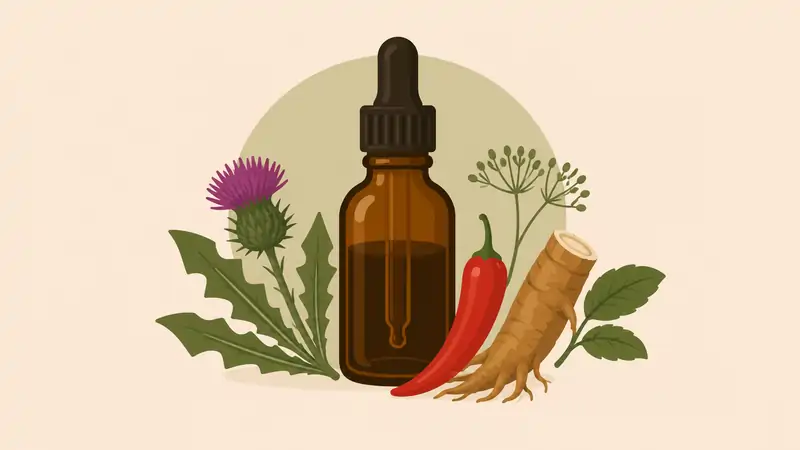
A blend in this category may contain bitter herbs, aromatic seeds, roots, leaves, and warming spices. For example, a formula may include burdock root, centaury herb, fennel seed, cayenne pepper, dandelion leaf and root, and blessed thistle leaf.
What the name tells you
The name tells you the product is a tincture-style blend with appetite-focused positioning. It does not tell you whether the product is alcohol-based, alcohol-free, spicy, very bitter, mild, or suitable for your situation.
For that, you need the Supplement Facts, suggested use, other ingredients, and warnings.
What Are Digestive Bitters?
Digestive bitters are herbal formulas built around bitter-tasting botanicals. They often come as liquid drops and are commonly used around meals. The category is broad. It can include simple formulas, complex blends, alcohol-based extracts, alcohol-free glycerites, and traditional bitter tonic styles.
Common bitter ingredients may include gentian, dandelion, burdock, artichoke leaf, orange peel, blessed thistle, centaury, angelica, or other bitter herbs. Some formulas also include aromatic or warming ingredients to change the flavor.
What the name does not guarantee
The phrase “digestive bitters” does not guarantee a specific herb, strength, alcohol status, or serving direction. It also does not mean the product is right for every person.
Always check the label before comparing one bitters product to another.
Appetite Stimulating Mix Tincture vs Digestive Bitters: Quick Comparison
The main difference is category focus. Appetite mix tincture usually points to a specific formula and use-case. Digestive bitters is a broader product category.
| Feature | Appetite stimulating mix tincture | Digestive bitters |
|---|---|---|
| Main meaning | A formula positioned around appetite and meals | A broad category of bitter herbal drops |
| Common format | Liquid tincture or extract | Liquid drops, tincture, tonic, or extract |
| Typical taste | Bitter, herbal, possibly spicy or aromatic | Bitter, citrusy, herbal, earthy, or warming |
| Formula type | Usually a multi-herb blend | Can be simple or complex |
| Timing | Often tied to meals or before food | Often pre-meal, but label varies |
| What to check | Full blend, cayenne, bitters, base, warnings | Bitter herbs, alcohol status, serving, warnings |
If your goal is less guessing, choose the product with clearer label directions and a formula you understand.
Is a Bitter Tonic the Same as Digestive Bitters?
A bitter tonic can be similar to digestive bitters, but the phrase is less specific. “Tonic” is often used in traditional herbal language and may describe a bitter blend, a general herbal formula, or a product with broad wellness positioning.
Do not assume a bitter tonic has the same ingredients as digestive bitters. It may contain different herbs, different alcohol content, different serving directions, and different warnings.
Label wording matters more than category wording
If the label says bitter tonic, digestive bitters, or appetite mix, the next step is the same: read the formula.
Category names are marketing shortcuts. Ingredients and suggested use tell you what the product actually is.
How Does Swedish Bitters Fit Into This?
Swedish bitters is a more specific traditional bitters style, usually made from a complex blend of bitter and aromatic ingredients. It is not automatically the same as an appetite stimulating mix tincture.
Some Swedish bitters products may be used in pre-meal routines, while others have different directions. They may also contain ingredients that are not present in a simpler appetite blend.
Do not compare by bitterness alone
Two products can both taste bitter and still be very different. One may contain cayenne. Another may contain aloe, rhubarb, angelica, gentian, or citrus peel. Another may be alcohol-free.
Bitterness is a taste category, not a complete product identity.
What Ingredients Should You Compare?
Compare the full ingredient list, not just the first herb. Appetite-style blends and digestive bitters can include bitter herbs, aromatic herbs, warming spices, roots, leaves, seeds, and liquid carriers.
For an appetite mix, look for ingredients such as burdock root, centaury herb, fennel seed, cayenne pepper, dandelion leaf and root, and blessed thistle leaf. For digestive bitters, look for the specific bitter herbs and aromatics used in that formula.
| Ingredient type | Examples | Why it matters |
|---|---|---|
| Bitter herbs | Centaury, dandelion, blessed thistle, gentian | Shape the bitter taste and meal-timed profile |
| Roots | Burdock root, dandelion root, angelica root | Add earthy or bitter character |
| Aromatic seeds | Fennel seed, anise seed, caraway seed | Can soften flavor with aromatic notes |
| Warming spices | Cayenne, ginger, pepper ingredients | May bother spice-sensitive users |
| Citrus peels | Orange peel, lemon peel | Add bitter and aromatic flavor |
| Liquid base | Alcohol, water, glycerin | Affects taste, mouthfeel, and user preference |
If you avoid spicy ingredients, check for cayenne and capsicum terms. If you avoid alcohol, check whether the product is alcohol-free or alcohol-based.
How Does Taste Usually Differ?
An appetite stimulating mix tincture may taste bitter, earthy, herbal, aromatic, and slightly spicy if it contains cayenne. Digestive bitters can taste bitter, citrusy, woody, floral, earthy, or warming depending on the formula.
Do not assume one will taste better. Taste depends on the specific blend, the liquid base, and your sensitivity to bitter or spicy ingredients.
Strong taste is not proof of strength
A very bitter product is not automatically stronger or better. A mild product is not automatically weak. Taste does not prove purity, safety, serving accuracy, or expected results.
Use taste as a practical preference, not as a quality test.
How Does Timing Compare?
Both appetite stimulating mix tinctures and digestive bitters are often used around meals, but the exact timing must come from the label. Some labels may say before meals. Others may say with water, before food, after meals, or as directed.
If no exact minute count appears, a practical pre-meal window is usually right before eating or about 5 to 15 minutes before food. But the product label wins over any general rule.
Do not assume every meal needs a serving
Read timing and frequency together. A product may be used before food, but still have a daily serving limit.
Do not take extra servings because you eat more meals that day.
What About Alcohol-Free Extracts?
Some appetite blends and digestive bitters are alcohol-based tinctures. Others are alcohol-free liquid extracts, often made with glycerin and water. Alcohol-free products may taste softer or slightly sweet, while alcohol-based products may taste sharper and more warming.
Alcohol-free does not automatically mean mild. A glycerin-based extract can still taste bitter, spicy, or herbal if the formula contains strong botanicals.
Check the base
Look for alcohol, ethanol, cane alcohol, glycerin, vegetable glycerin, purified water, alcohol-free wording, or liquid extract language.
If the base matters for your routine, confirm it before buying.
Which One Should You Buy?
Choose the product that matches your label-reading priorities. If you want a formula positioned around appetite and meal timing, an appetite stimulating mix tincture may be the closer match. If you want a broader bitter herbal category, digestive bitters may give more options.
Choose digestive bitters if you want to compare many bitter formulas. Choose an appetite mix if you want a more specific blend and the ingredient list fits your preferences.
Decision rule
Buy the product only if you understand the formula, serving, timing, taste expectations, alcohol status, spice level, and warnings.
HerbEra’s appetite blend context shows why this matters: a product can be bitter-style and appetite-positioned at the same time, but the exact blend still decides whether it fits the user.
Who Should Ask Before Using Either Product?
Ask a qualified healthcare professional before using appetite stimulating mix tincture or digestive bitters if you are pregnant, nursing, taking medication, managing a medical condition, preparing for surgery, buying for a child, or using multiple supplements.
Use extra caution if you have reflux, ulcers, digestive disorders, gallbladder concerns, liver concerns, kidney concerns, allergies, unexplained appetite change, unexplained weight change, persistent nausea, abdominal pain, or ongoing symptoms.
No medical shortcuts
Do not use either product to treat, cure, prevent, diagnose, reverse, detox, cleanse, flush, or manage any health condition.
If appetite, digestion, weight, pain, or nausea changes in a concerning way, seek professional evaluation instead of relying on a supplement category.
What Label Warnings Should You Check?
Check warning statements before using any bitter blend. Multi-herb formulas can include ingredients that matter for pregnancy, nursing, medication use, allergies, digestive sensitivity, or surgery planning.
Also check safety seal, lot number, expiration date, storage directions, serving size, frequency, and whether the bottle says to shake well.
Blend formulas need extra attention
A single-herb tincture is easier to review. A blend requires checking every ingredient. One ingredient may be fine for you, while another may be a reason to avoid the product.
If the label uses a proprietary blend and you need exact ingredient amounts, ask the seller for clarification.
Common Mistakes When Comparing These Products
The first mistake is assuming appetite mix and digestive bitters are identical. They can overlap, but the formula may differ.
The second mistake is choosing by taste category only. Bitter does not tell you whether the product contains cayenne, alcohol, glycerin, citrus peel, or other herbs.
The third mistake is ignoring timing. Pre-meal directions and frequency limits matter.
The fourth mistake is treating wellness wording as proof. Only the label can tell you what is actually in the bottle.
Checklist: How to Compare Appetite Stimulating Mix Tincture vs Digestive Bitters
Use this checklist before buying either product. It helps you compare names, formulas, taste, timing, and safety details without guessing from marketing language.
Check the category name
Notice whether the product says appetite mix, digestive bitters, bitter tonic, Swedish bitters, or single-herb tincture. Treat the name as a starting clue, not the full answer.
Read the full formula
Check every botanical ingredient. Look for bitter herbs, roots, seeds, leaves, warming spices, and citrus ingredients.
Look for cayenne or capsicum
If you avoid spicy ingredients, scan for cayenne pepper, capsicum, red pepper, chili pepper, Capsicum annuum, or Capsicum frutescens.
Check the liquid base
Look for alcohol, glycerin, water, or alcohol-free wording. The base affects taste, mouthfeel, and user preference.
Compare timing directions
Check whether the label says before meals, with water, after meals, or another timing. Do not assume all bitters use the same schedule.
Review daily limits
Find the serving size and frequency. Do not take extra because the product is bitter or because you eat more meals.
Read warnings carefully
Check pregnancy, nursing, medication, medical condition, allergy, digestive, and surgery warnings before use.
Ask if unclear
Contact the seller if the formula, alcohol status, spice level, timing, or plant parts are unclear.
FAQ
Are appetite stimulating mix tincture and digestive bitters the same thing?
No. They can overlap, but appetite mix tincture is usually a specific formula, while digestive bitters is a broader category.
What is an appetite stimulating mix tincture?
It is a liquid herbal blend positioned around appetite and meal routines, usually measured in drops, droppers, or milliliters.
What are digestive bitters?
Digestive bitters are bitter herbal formulas, often liquid drops, commonly used around meals according to label directions.
Is a bitter tonic the same as digestive bitters?
Sometimes it overlaps, but not always. Bitter tonic is a broader or more traditional phrase and needs label checking.
Are Swedish bitters the same as appetite tincture?
No. Swedish bitters is a specific bitters-style tradition and may use different ingredients from an appetite mix tincture.
Which product tastes more bitter?
It depends on the formula. Bitter herbs, alcohol base, cayenne, citrus peel, and serving size all affect taste.
Should these products be taken before meals?
Only if the label says so. Many bitter formulas use pre-meal timing, but directions vary by product.
Can digestive bitters be alcohol-free?
Yes. Some bitters are alcohol-free liquid extracts made with glycerin and water, while others are alcohol-based tinctures.
Who should ask a healthcare professional first?
Ask first if you are pregnant, nursing, taking medication, managing a medical condition, buying for a child, or using multiple supplements.
Glossary
Appetite stimulating mix tincture
A liquid herbal blend positioned around appetite and meal routines, with serving directions on the label.
Digestive bitters
A broad category of bitter herbal formulas, often used as drops around meals according to product directions.
Bitter tonic
A traditional-style herbal term that may refer to a bitter blend, but does not define one exact formula.
Swedish bitters
A traditional bitters-style formula category that may contain a complex blend of bitter and aromatic ingredients.
Single-herb tincture
A liquid extract made from one main herb rather than a multi-herb blend.
Formula tincture
A liquid extract made from multiple herbs in one blend.
Bitter herbs
Herbs with a strong bitter taste, often used in meal-timed formulas.
Alcohol-free extract
A liquid extract made without alcohol as the main carrier, often using glycerin and water.
Liquid base
The carrier liquid in a tincture or extract, such as alcohol, glycerin, or water.
Suggested use
The label section that tells you how much to use, when to use it, and how often.
Conclusion
Appetite Stimulating Mix Tincture vs Digestive Bitters comes down to formula, timing, taste, and label clarity. Compare the exact ingredients, serving directions, liquid base, warnings, and spice level before deciding which product fits your routine.
Sources Used
General dietary supplement labeling guidance, Dietary Supplement Labeling Guide – FDA
Consumer guidance on supplement use and label reading, Dietary Supplements: What You Need to Know – NIH Office of Dietary Supplements
Consumer safety guidance for using dietary supplements wisely, Using Dietary Supplements Wisely – National Center for Complementary and Integrative Health
General botanical supplement safety context, Dietary and Herbal Supplements – National Center for Complementary and Integrative Health
General discussion of digestive bitters timing and format, How to Take Bitters for Digestion: Dose and Timing – Biology Insights
General supplement label nutrition rule context, Nutrition Labeling of Dietary Supplements – Electronic Code of Federal Regulations
 Софія Мельник